The Ed Tech Pushback Is Here — Web Filtering Is the Answer, Not the Problem
As LAUSD bans screens and states push to limit technology in classrooms, schools need to understand the difference between ed tech that causes the problem and ed tech that solves it.
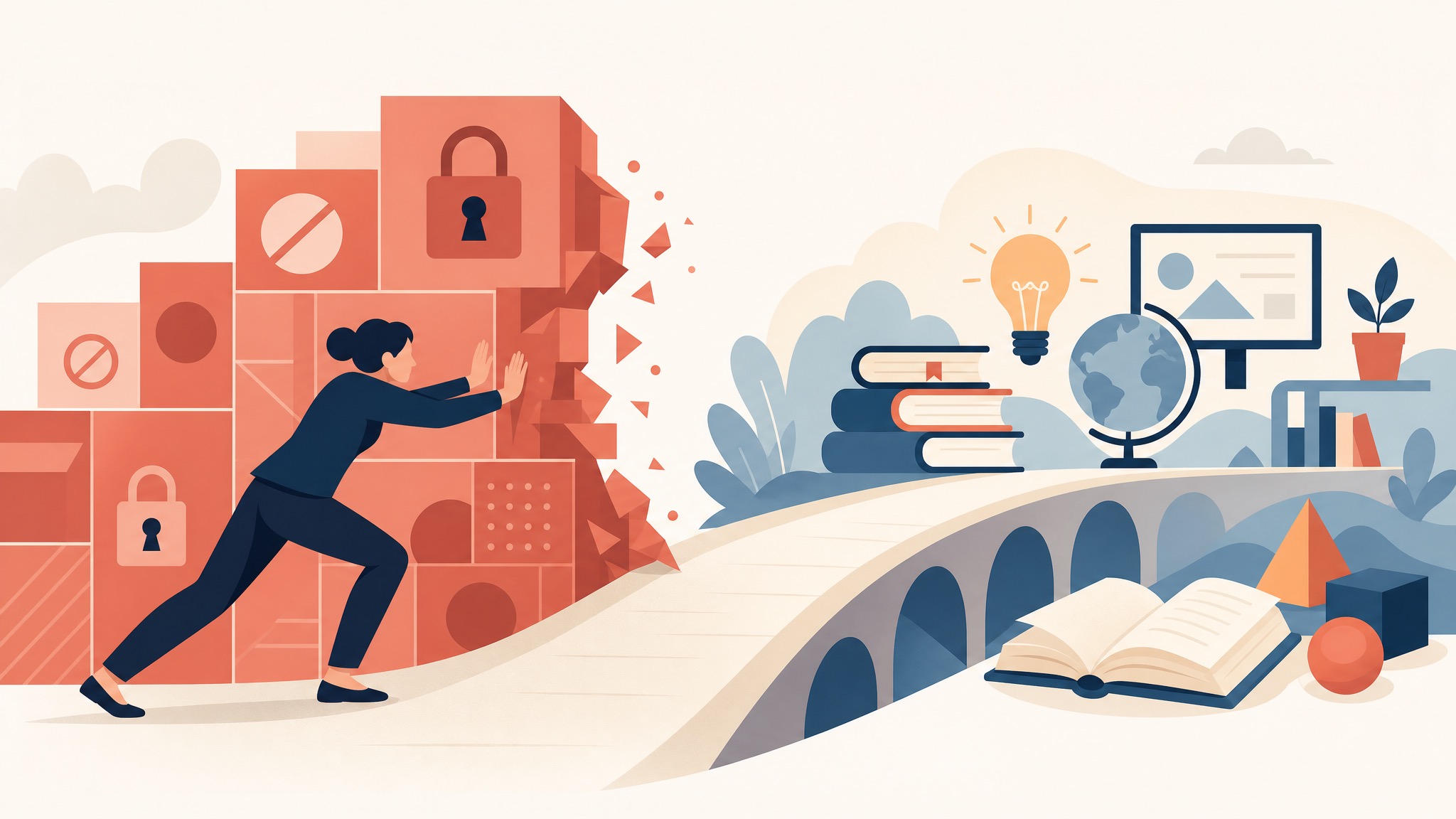
The ed tech pushback is no longer a fringe movement. It's mainstream.
On April 21, 2026, the Los Angeles Unified School District — the second largest school system in America — approved a resolution to create policies limiting or banning technology based on grade level, starting in the 2026-27 school year. State legislatures across the country are advancing bills to ban or limit ed tech in schools. Parent advocacy groups are gaining traction. School boards are listening.
As Barbara Hunter, executive director of the National School Public Relations Association, told K-12 Dive: "Districts need to have this on their radar."
She's right. But the conversation is missing a critical nuance.
Not All Ed Tech Is Created Equal
The pushback is mostly about one thing: unproductive screen time. Games during math class. Social media during reading time. Engagement-driven apps that are designed to capture attention, not facilitate learning.
That's a legitimate concern. But the policy response — blanket bans and grade-level technology restrictions — risks throwing out the tools schools actually need more of.
Here's the distinction no one is making clearly enough:
- Ed tech that adds screen time: Social media apps, gamified platforms, entertainment disguised as education
- Ed tech that manages screen time: Web filtering, classroom management, student safety monitoring
Web filtering doesn't add a single minute of screen time to a student's day. It makes every minute of existing screen time safer and more productive.
The CoSN Framework Gets It Right
The Consortium for School Networking (CoSN) recently released guidelines recommending schools replace static "Acceptable Use Policies" with dynamic "Responsible Use Agreements." The shift is from restriction-based governance to values-based governance.
This is exactly the right direction. But responsible use agreements need an enforcement layer. You can't just write a policy saying "students will use technology responsibly" and hope for the best.
Modern web filtering is that enforcement layer:
- Real-time content categorization catches unsafe content the moment a student navigates to it
- Teacher-controlled classroom modes let educators restrict browsing to specific resources during lessons, then open it back up for research time
- AI-powered safety monitoring detects self-harm, bullying, and crisis signals in student communications — something no AUP has ever been able to do
- Game detection identifies and blocks gaming during school hours without affecting legitimate educational sites
This isn't the blunt-instrument URL blocklist of 2005. It's intelligent, context-aware filtering that adapts to how schools actually use technology.
What Parents Actually Want
Here's what I've learned from working with K-12 schools: parents aren't anti-technology. They're anti-unsupervised technology.
When a parent hears that their child spent two hours playing web games during class, they don't blame the Chromebook — they blame the lack of oversight. When they hear about cyberbullying or unsafe content, they want to know what the school is doing to prevent it.
Web filtering gives schools the ability to tell parents: "Your child is protected online. Here's exactly how."
That's a much better answer than "We banned iPads."
The CIPA Reality
There's also a legal dimension. Schools receiving E-Rate funding — the federal program that subsidizes internet access for schools and libraries — are required by the Children's Internet Protection Act (CIPA) to implement web filtering. That requirement isn't going away, regardless of the pushback.
The question isn't whether schools will filter. It's whether they'll use a basic DNS blocklist that checks a compliance box, or a modern filtering platform that actually protects students and supports teachers.
The Budget Angle
With ESSER (COVID-era) funding expiring, districts are cutting budgets. Ed tech spending is under scrutiny. But web filtering isn't a nice-to-have line item — it's a CIPA requirement and a student safety necessity.
The schools that will navigate this moment best are the ones that can demonstrate clear ROI on their technology investments. Web filtering has a straightforward value proposition: it keeps students safe, keeps schools compliant, and keeps teachers in control of their classrooms.
Moving Forward
The ed tech pushback is healthy. Schools should scrutinize every technology they deploy and ask: Does this actually serve students?
Web filtering passes that test. It's the guardrail that makes responsible technology use possible — not the problem.
KyberGate is a web filtering and student safety platform built for K-12 schools. We offer real-time content filtering, AI-powered safety monitoring, teacher classroom controls, and game detection — all at a fraction of the cost of legacy solutions. Request a demo or see pricing.